
Rising Complexity in Modern Vehicle Diagnostics
Modern vehicles rely on distributed electronic control units connected through a CAN network. These systems manage engine control, transmission operation, emissions systems, and driver-assistance features. A single fault may involve multiple modules and sensor inputs.
An automotive service technician must interpret diagnostic trouble codes, evaluate live scan data, and confirm component operation. The process requires circuit testing, voltage verification, and signal analysis. Shops that need to find a mechanic capable of diagnosing these systems, typically look for technicians with strong electrical diagnostic skills.
DiagPro AI organizes diagnostic information and presents structured troubleshooting guidance. Technicians can begin fault isolation without searching across multiple technical sources.
AI-Driven Troubleshooting for Faster Diagnostics
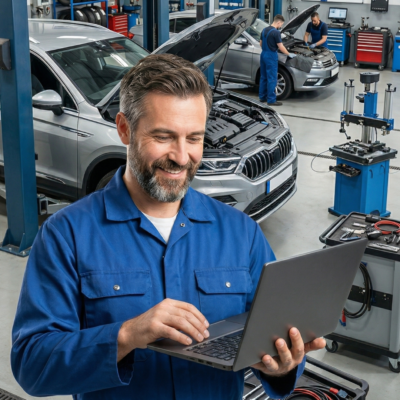
Accurate diagnostics follow a clear sequence. Technicians verify symptoms, confirm diagnostic codes, and test related circuits. DiagPro AI accelerates this process by generating guided troubleshooting steps based on the vehicle condition. The system evaluates fault codes and vehicle specifications, then identifies likely failure points.
An automotive service technician receives testing recommendations for sensors, wiring circuits, or control modules. This approach reduces diagnostic research time. Shops that need to find a mechanic with advanced diagnostic ability, benefit when technicians use AI-supported troubleshooting.
Technicians often spend more than an hour researching complex electrical faults. AI-assisted diagnostics significantly reduce that time.
Structured Diagnostic Procedures Improve Accuracy
Effective diagnostics require systematic testing. Random part replacement increases repair costs and rarely solves the root problem. DiagPro AI identifies the root cause of a problem in minutes and provides structured procedures that include wiring diagrams, component locations, and required testing steps. Technicians perform voltage checks, continuity tests, and signal verification in the correct sequence.
Electrical schematics allow the automotive service technician to trace power supply, grounds, and control circuits. The technician can determine whether the fault originates from a sensor, wiring harness, or control module. Structured diagnostics reduce misdiagnosis and unnecessary parts replacement.
OEM Level Data Strengthens Diagnostic ConfidenceVideo
Modern vehicle repair depends on accurate technical information. DiagPro AI provides manufacturer-sourced service documentation. Technical service bulletins identify known issues, updated procedures, and software revisions. These bulletins often reveal common failures affecting specific vehicle platforms.
An automotive service technician can confirm whether a fault relates to a documented manufacturer issue. Shops that need to find a mechanic with strong diagnostic capability benefit when technicians work with verified OEM repair data. Accurate information improves repair reliability and reduces repeat repairs.
Faster Diagnostics Enhance the Workflow
Diagnostic delays reduce shop efficiency. Technicians may spend excessive time locating repair procedures or interpreting wiring diagrams. DiagPro AI delivers immediate troubleshooting guidance. The repair facilities report saving more than thirty minutes during complex diagnostic work.
Faster diagnostics allow shops to process more vehicles per day. Senior diagnosticians can focus on advanced faults while other technicians complete routine diagnostics using AI guidance. Businesses that find a mechanic with solid mechanical skills can expand that technician’s diagnostic capability with structured AI support. Improved workflow increases bay productivity and service capacity.
Training Support for Developing Diagnostic Technicians
The automotive industry continues to experience a shortage of trained diagnosticians. Many shops struggle to find a mechanic with experience in electronic system troubleshooting. DiagPro AI supports technician development through guided diagnostic procedures and integrated training videos. Technicians learn circuit testing, component verification, and system analysis while performing real repairs.
Over time, an automotive service technician develops stronger diagnostic reasoning and confidence when working with complex vehicle electronics. This approach helps shops develop diagnostic talent internally.
Hands-Free Assistance for Active Repair Environments
Technicians frequently perform diagnostics while operating scan tools, multimeters, and oscilloscopes. Accessing technical data during testing can interrupt the workflow.
DiagPro AI provides voice-activated assistance with speech-to-text capability. Technicians can request wiring diagrams, test procedures, or component specifications without leaving the repair bay. This hands-free functionality allows the automotive service technician to continue testing circuits and components while receiving real-time diagnostic guidance.
Addressing the Industry Technician Shortage
Repair facilities across the country continue to face technician shortages. Many shop owners struggle to find a mechanic capable of diagnosing complex electrical systems.
Recruitment support from Mechanics Marketplace helps repair businesses connect with technicians who understand modern automotive technology. Skilled technicians working alongside AI diagnostic tools create a more capable service team. When shops find a mechanic with mechanical experience, AI-supported diagnostics help expand that technician’s technical capability.
The Future of Automotive Diagnostic Technology
Vehicle architecture continues to evolve toward software-driven systems and networked electronics. Diagnostic procedures must adapt to this increasing complexity.
DiagPro AI combines diagnostic intelligence, structured repair guidance, and manufacturer-sourced data. These tools allow every automotive service technician to isolate faults faster and perform accurate repairs. Repair businesses that adopt intelligent diagnostic systems while continuing to find mechanics with strong technical training will remain competitive as vehicle technology advances.
Frequently Asked Questions
Why do repair shops struggle to find a mechanic capable of advanced vehicle diagnostics?
Modern vehicles use multiplex communication networks, electronic control modules, and integrated sensor systems. Diagnosing faults often requires interpreting scan data, tracing electrical circuits, and verifying module communication. Many repair facilities struggle to find a mechanic with the electrical diagnostic training needed to troubleshoot these systems accurately.
How does structured troubleshooting improve diagnostic accuracy?
Structured troubleshooting ensures that technicians test components in a logical sequence. DiagPro AI provides wiring diagrams, component locations, and circuit test procedures that guide the automotive service technician through voltage checks, resistance testing, and signal verification before confirming component failure.
What type of technical data does DiagPro AI provide to repair technicians?
DiagPro AI delivers manufacturer-sourced repair information, including wiring diagrams, component pinouts, diagnostic flow charts, and technical service bulletins. This data allows an automotive service technician to confirm whether a vehicle fault matches documented manufacturer issues before replacing components or performing further testing.
How does AI reduce diagnostic research time for repair technicians?
Technicians often spend significant time reviewing manuals, forums, or service databases when diagnosing complex electrical problems. DiagPro AI consolidates relevant repair data and troubleshooting procedures in one interface. This allows an automotive service technician to move directly to circuit testing and component verification.
Can AI diagnostic tools help shops that struggle to find a mechanic with advanced diagnostic training?
Yes. Shops that find a mechanic with strong mechanical ability can extend that technician’s diagnostic capability through AI-guided troubleshooting. The system provides structured testing procedures and verified technical data that support accurate diagnostics even when technicians have limited experience with certain vehicle systems.
How does AI-supported diagnostics improve repair shop productivity?
AI-supported diagnostics reduce the time spent researching fault conditions. Technicians receive immediate troubleshooting guidance and testing procedures. This allows each automotive service technician to diagnose faults faster, increasing vehicle throughput and reducing repair bay downtime across the shop.
Why is access to OEM-level data important during diagnostics?
OEM-level data provides verified repair procedures, wiring diagrams, and known failure patterns. An automotive service technician can compare a vehicle symptom with documented manufacturer information before performing circuit testing or replacing components. This improves diagnostic accuracy and reduces repeat repairs.
How does AI support technician training inside repair shops?
AI diagnostic platforms provide guided repair workflows, integrated technical videos, and structured testing procedures. These tools help an automotive service technician learn diagnostic strategies while performing real repairs. Shops that struggle to find a mechanic with advanced training can develop skilled diagnosticians internally.