
The Evolution of the Wrench
For decades, when people find a mechanic, it usually meant a trusted professional with a toolbox and a good set of ears for engine noises. Drivers wanted someone who could handle oil changes, brake pads, and transmission overhauls. Today, that search looks very different because cars have become computers on wheels, and the old idea of a general fix-it person does not cover enough anymore.
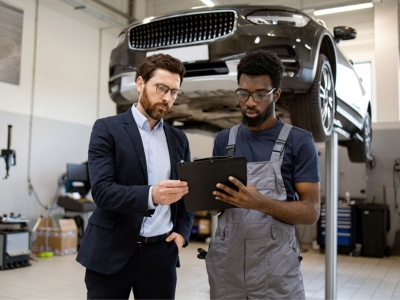
This technological shift means that a generalist can no longer handle everything. Modern vehicles need a highly specialized automotive service technician who understands electronics as well as mechanical systems. That change affects both the customer trying to get a repair and the shop owner trying to keep the bays filled with the right talent.
The Consumer Dilemma in a Digital Age
When a dashboard light comes on, most people grab their phone and search local repair options. But if they find a mechanic the old-fashioned way, by proximity alone, they may end up with a shop that is not equipped for their vehicle’s actual needs. A plug-in hybrid or a car with advanced driver assistance features needs more than a nearby address and a decent review score.
Consumers now expect a shop to handle the vehicle’s software, sensors, and networked systems, not just the visible parts. CCC Intelligent Solutions has reported that over 70% of current-year vehicles require complex electronic scans during basic repairs, which shows how far repair work has moved beyond simple wrench turning. A wrong choice can mean misdiagnosis, wasted money, and safety features that do not work the way they should.
Shifting Realities for Independent Auto Repair Shops
That same complexity is forcing shops to rethink who they hire. It is no longer enough to bring in someone who only knows mechanical basics and hope they learn the rest later. A modern shop needs an automotive service technician who can work with high-voltage systems, network architecture, and advanced diagnostics.
The talent shortage makes this even harder. Data from the National Automobile Dealers Association reveals an annual shortfall of nearly 37,000 qualified technicians, which means shops cannot rely on generic job posts and luck alone. This is why better recruitment and better training matter at the same time. If a shop wants to stay competitive, it has to hire smarter and develop people more intentionally.
Why Specialized Training Matters
The real shift is not just about finding bodies to fill roles. It is about building the right kind of technician over time. That is where Skilled2Hire fits in, because it is designed as a hands-on training and progress-tracking platform for technicians and apprentices, not just a hiring tool.
It can help shops give new people structure once they are already inside the business. Instead of hoping someone learns everything by watching other techs, managers can use Skilled2Hire to guide real skill growth with tasks, goals, and measurable progress. That matters because modern shops need people who can keep up with changing vehicles, not just people who look good on paper.
What Good Shop Training Looks Like
A strong training setup should do more than check a box. It should help a new automotive service technician build confidence, learn the right habits, and move from basic work to more advanced tasks without creating chaos in the shop.
That is also where TaskMentor makes sense. It guides a technician through repair tasks step by step, offers online mentoring and supervision when needed, and includes templates for more than 500 automotive repair tasks. For owners and managers, it also helps measure progress and build career paths based on actual skill mastery, which is useful when you want growth to be visible and not just assumed.
Keeping Learning Process Engaging For New Technicians
Training works better when people actually want to use it. That is one reason EdGame is a smart fit for modern shops and training programs. It turns learning into a short daily habit with three to five minutes of questions, points, and competition, which makes it easier to keep technicians engaged without pulling them away from the shop for long stretches.
It can also help when you want to find a mechanic who already has the right knowledge base or when you want to prep current staff for ASE tests. A tool like that is useful because it checks knowledge in a way that feels less like a lecture and more like a quick daily challenge.
Better Hiring Starts with Better Expectations
A lot of hiring mistakes happen because shops and candidates are not talking about the same kind of job. A customer who wants to find a mechanic for a newer vehicle is really looking for someone who understands diagnostics, electronics, and system-level troubleshooting. If the shop is still hiring like it is 2005, the mismatch shows up fast.
That is why the role of an automotive service technician has changed so much. The best people now need mechanical skill, electrical confidence, and the ability to keep learning as vehicle systems get more complex. Shops that understand this can recruit and train in a way that matches where the market is actually going.
A Smarter Path Forward
Independent repair businesses do not need to become dealerships, but they do need to become more deliberate. So the answer is not just more advertising. It is better hiring, better training, and better tools. That helps the shop serve modern drivers without falling behind the technology they bring in.
Need help building that kind of team? As an automotive technician recruitment agency, Mechanics Marketplace can help you hire the right people and support their growth so your shop is ready for the vehicles and customers showing up today. Reach out to us to start building a stronger, more capable auto shop.
Common General Questions
What makes a modern automotive service technician different from a traditional mechanic?
While traditional mechanics focus strictly on physical and mechanical repairs, a modern technician must be an electronics expert. They require specialized training to master digital oscilloscopes, complex network diagnostics, and high-voltage electric vehicle safety systems.
How severe is the current technician shortage facing auto repair shops?
The industry faces a critical labor deficit. National Automobile Dealers Association data reveals an annual shortfall of nearly 37,000 qualified technicians, making traditional hiring methods completely ineffective for shops trying to stay fully staffed.
Why do Advanced Driver Assistance Systems complicate basic vehicle maintenance?
Advanced driver assistance features rely on a complex web of cameras and radar sensors. Even a simple physical repair, like replacing a bumper or windshield, requires precise technical recalibration to ensure these safety systems function correctly.
What is Skill2Hire, and how does it improve shop recruitment?
Skill2Hire is a specialized talent platform that bypasses generic job boards. It streamlines recruitment by instantly matching forward-thinking shop owners with pre-vetted automotive professionals who possess precise OEM credentials and advanced electrical troubleshooting skills.
How can auto shops protect themselves from modern industry bottlenecks?
Shops must actively upgrade both their talent and technology. By equipping bays with advanced remote diagnostic tools and sourcing certified technicians, businesses ensure long-term efficiency, profitability, and customer loyalty.